Happy Monday!
As I poured my coffee this morning, I found myself thinking about a question I’ve been getting more and more lately — from clinicians, from hospital administrators, from fellow staffing entrepreneurs:
“Is AI going to change healthcare staffing?”
My honest answer: it already is. And I think that’s a good thing — if we approach it thoughtfully.
The Problem We’ve Always Had
Healthcare staffing has always been a relationship business running on outdated infrastructure. Credentialing packets sent by fax. Scheduling done through spreadsheets. Clinicians waiting days — sometimes weeks — to hear back about an assignment they applied for yesterday.
Meanwhile, a hospital somewhere has an empty shift and a patient who needs care.
The gap between supply and demand in healthcare staffing isn’t just a business problem. It’s a patient care problem. And that urgency is exactly why AI has such a meaningful role to play here.
Where AI Is Actually Helping
Faster, smarter matching. AI can analyze a clinician’s credentials, experience, location, and preferences and match them to open positions in seconds — not days. What used to take a recruiter hours of back-and-forth can now happen almost instantly.
Credentialing and compliance. This is one of the most time-consuming parts of healthcare staffing. AI tools can now verify licenses, track expiration dates, and flag compliance gaps automatically — reducing errors and keeping clinicians and facilities protected.
Predicting staffing needs. Hospitals are notoriously reactive when it comes to staffing. AI can analyze patient census patterns, seasonal trends, and historical data to help facilities anticipate shortages before they become crises.
Reducing recruiter burnout. Let’s be honest — recruiters spend a significant portion of their day on administrative tasks that have nothing to do with building relationships. AI handles the repetitive work so recruiters can focus on what they do best: connecting with people.
What AI Cannot Replace
Here’s where I want to be clear, because I think this matters deeply:
AI cannot replace the human judgment that healthcare staffing requires.
It cannot sit with a clinician who is burned out and help them figure out what kind of assignment will actually restore their joy. It cannot read the culture of a facility and know whether a particular provider will thrive there. It cannot navigate the nuanced, trust-based relationships that make this industry work.
At Protean Med, we see AI as a tool — a powerful one — that makes our team more effective, not one that replaces what makes us valuable.
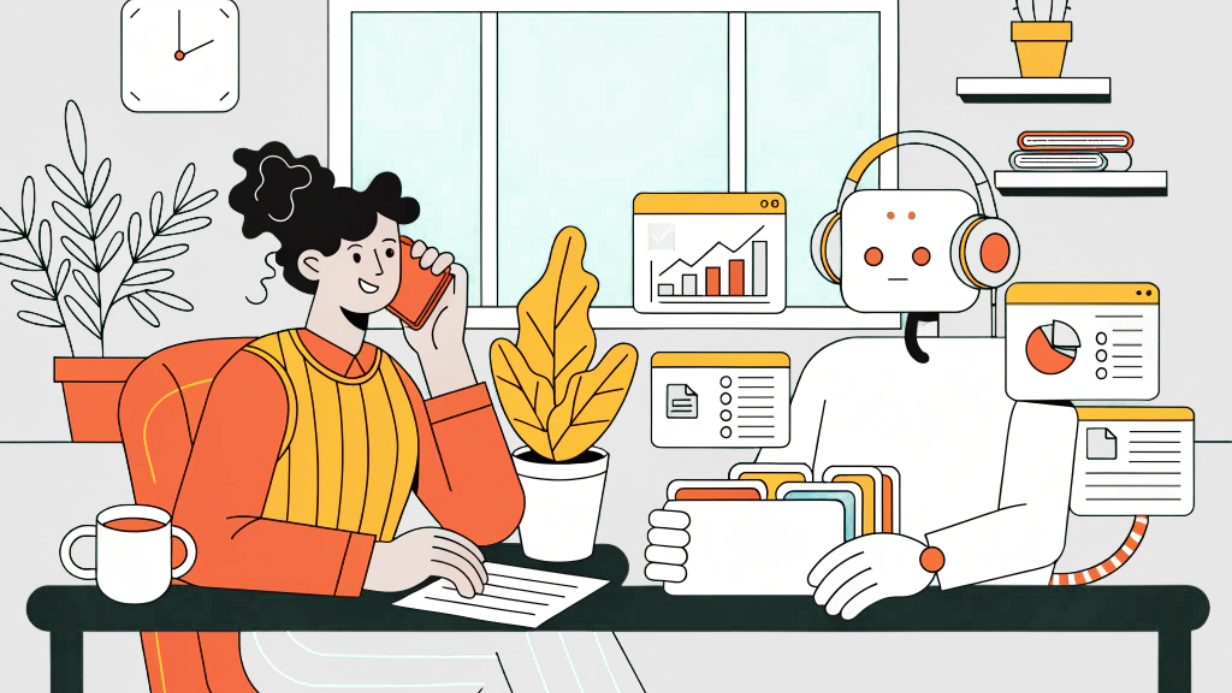
The future of healthcare staffing isn’t AI instead of people. It’s AI empowering people to do their best work.
What This Means for You
If you’re a clinician: AI is making it faster and easier to find assignments that actually fit your life. Embrace the tools — they’re working for you.
If you’re a healthcare facility: the staffing shortages you’re experiencing are real and will not resolve themselves. AI-powered staffing partners can help you get ahead of the gap instead of constantly reacting to it.
If you’re a fellow entrepreneur in this space: the question isn’t whether to adopt AI — it’s how to do it in a way that enhances your relationships rather than replacing them.
The healthcare staffing industry is changing. And change, when approached with intention, creates opportunity.
I’d love to know — how is AI showing up in your work? Are you embracing it, resisting it, or somewhere in between?
See you next Monday. — Rajee
Rajee Hari | Founder, Protean Med www.proteanmed.com | rajee@proteanmed.com
#MondayMorningCoffee #HealthcareStaffing #AIinHealthcare #FutureOfWork #HealthcareLeadership #Entrepreneurship #MondayMotivation